Introduction to Business Automation
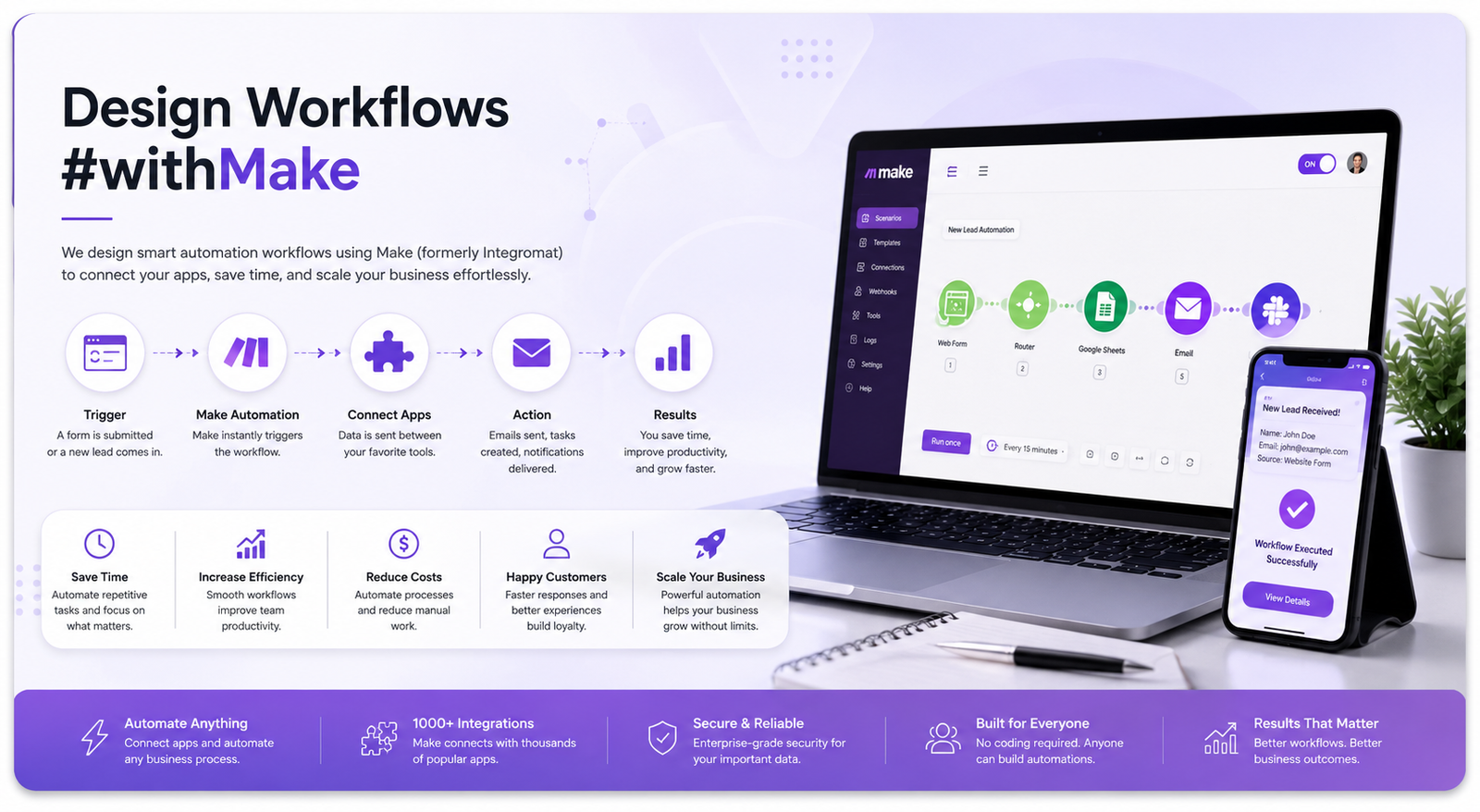
Business automation refers to the use of technology to perform recurring tasks or processes within an organization, effectively reducing manual intervention. As modern businesses strive to improve operational efficiency and maintain competitiveness, automation has become a crucial aspect of their strategy. By integrating automation systems into their daily operations, companies can streamline workflows, minimize errors, and ultimately enhance productivity.
The importance of business automation in today’s fast-paced environment cannot be overstated. One of the primary benefits is the significant increase in efficiency. Automation allows organizations to execute repetitive tasks with speed and precision, freeing up valuable time for employees to focus on more strategic initiatives. For instance, automating data entry or scheduling can reduce the time spent on mundane activities and allow teams to engage in higher-level problem solving or creative thinking.
Moreover, implementing automation significantly reduces the likelihood of human errors, which can have costly consequences. Automated systems are programmed to carry out tasks consistently, ensuring accurate results that are less prone to mistakes. This aspect is particularly important in sectors where precision is critical, such as finance and healthcare.
Furthermore, business automation facilitates the collection and analysis of data more efficiently. With automated systems, companies can gather insights on customer behaviors and operational performance quickly, enabling informed decision-making. Ultimately, automation empowers organizations to operate more fluidly and responsively, giving them a competitive edge in their industry.
In summary, embracing business automation is no longer optional for organizations seeking longevity and success in the modern marketplace. By understanding and implementing automation solutions, businesses can unlock numerous advantages, fostering an environment of growth and innovation.
Identifying Tasks for Automation
In the pursuit of operational efficiency, businesses are increasingly turning to automation as a means of simplifying and streamlining processes. However, not all tasks lend themselves to automation, and identifying which ones to automate can significantly influence the outcome. To begin with, it is crucial to analyze the frequency of the task. Repetitive tasks that occur regularly present prime candidates for automation. These may include data entry, invoicing, and routine responses to customer inquiries. Automating these functions can free up valuable employee time, allowing them to focus on more strategic initiatives.
Another important criterion to assess is the time consumption associated with each task. If a task consumes a substantial amount of time and resources without yielding proportional results, this might indicate an opportunity for improvement through automation. For instance, lengthy report generation or complex inventory management can often drain resources, and automating these tasks can lead to significant savings. Therefore, performing a time audit on various business processes can help in distinguishing high-impact tasks that automation can enhance.
Additionally, the complexity of the task should be taken into consideration. While tasks that are straightforward and rule-based are often the best candidates for automation, those that require nuanced decision-making or creative input may not be suitable. Businesses should assess whether the task can be clearly defined through rules and whether there are existing automation tools that can facilitate its execution. By carefully evaluating these criteria—repetition, time consumption, and complexity—organizations can effectively identify which business tasks should be automated, thereby maximizing efficiency and productivity in their operations.
Common Tasks to Automate
In the modern business landscape, automation has emerged as a crucial strategy for enhancing operational efficiency. There are several common business tasks that lend themselves well to automation, significantly reducing the chances of human error while saving time and resources. One of the most prevalent tasks suitable for automation is data entry. Organizations often spend countless hours manually inputting data into various systems. By implementing automation tools, businesses can streamline this process, ensuring accuracy and freeing up employees to focus on more strategic initiatives.
Another vital area for automation is payroll processing. The complexities involved in calculating wages, deductions, and compliance with tax regulations can lead to significant time expenditure. Automated payroll systems not only facilitate timely payments but also help maintain compliance with current legislation, thus mitigating risks associated with errors.
Email marketing, a fundamental aspect of business communications, also stands to benefit from automation. Utilizing automated email marketing platforms allows for personalized customer engagement at scale. Businesses can schedule campaigns, segment audiences, and track performance effortlessly, ensuring that potential leads receive timely information without continuous manual intervention.
Furthermore, customer relationship management (CRM) is an area ripe for automation. By automating customer interactions and data collection, companies can maintain up-to-date records of client preferences and interactions. This not only enhances customer satisfaction but also enables businesses to make informed decisions based on comprehensive analytics.
In conclusion, the automation of business tasks such as data entry, payroll processing, email marketing, and CRM can contribute significantly to operational effectiveness. By strategically adopting automation solutions, businesses can optimize their productivity, leading to improved outcomes and greater success in a competitive environment.
Benefits of Automating Routine Processes
Automating routine business processes provides a myriad of benefits that can significantly transform an organization’s operations. One of the most immediate advantages is the substantial time savings it offers. In environments where tasks are repetitive and time-consuming, automation can streamline these processes, allowing employees to focus on more strategic activities rather than mundane tasks. This shift in focus not only increases productivity but also enhances employee satisfaction since staff can engage in more stimulating and rewarding work.
In addition to time savings, automating routine processes leads to notable cost reductions. By minimizing manual intervention, organizations can decrease labor costs and eliminate errors that could otherwise lead to financial losses. Automation machines and software operate at a consistent efficiency rate, which not only accelerates tasks but also enhances the overall output, leading to improved profit margins. Companies can channel these savings into growth initiatives, research and development, or talent acquisition.
Enhanced accuracy is another significant benefit of automation. Human error is an unavoidable element in manual tasks, but automation mitigates this risk. With automated systems, data is processed correctly and consistently, improving the reliability of business operations and decision-making processes. The precision of automated tasks also contributes to better compliance with industry regulations and standards, as systems can be designed to adhere to specific protocols.
Furthermore, customer satisfaction is positively impacted as well. Automation can expedite response times, ensuring that customer inquiries and issues are addressed promptly. With less delay, businesses can maintain a high standard of service and foster stronger relationships with clients. This, in turn, can enhance brand loyalty and encourage repeat business.
Lastly, by freeing up employee resources from routine processes, companies can redirect their focus towards strategic initiatives that require human insight and creativity, such as innovation and customer relationship building. Overall, the adoption of automation in routine processes presents an opportunity for organizations to elevate their operations, optimize their resources, and enhance value for customers and stakeholders alike.
Tools and Software for Automation
In today’s fast-paced business environment, automation tools play a pivotal role in enhancing productivity by streamlining processes and reducing manual effort. Various software solutions are available that cater to different types of business tasks, from marketing and sales to customer support and project management.
One of the most popular automation tools is Zapier, which allows businesses to connect different applications and automate workflows without the need for coding. With a user-friendly interface, Zapier supports thousands of applications ranging from Google Sheets to Slack. Its pricing model includes a free tier, along with paid plans that cater to growing businesses, making it accessible for small and large enterprises alike.
Another noteworthy tool is HubSpot, which provides an all-in-one platform for marketing, sales, and customer service. HubSpot’s automation capabilities enable businesses to create sophisticated marketing campaigns, automate lead scoring, and manage customer interactions efficiently. Pricing ranges from free basic tools to advanced paid subscriptions, depending on the features required.
IFTTT (If This Then That) is another tool that focuses on automating tasks between different applications through simple conditional statements. This platform is ideal for personal or small business use, as it offers a free version, making it an attractive choice for users looking to simplify everyday tasks.
In the realm of project management, tools like Trello and Asana incorporate automation features that help teams manage projects more effectively. For instance, Trello’s Butler automation feature allows users to automate routine tasks within their boards, enhancing team collaboration without adding complexity. Both platforms offer tiered pricing models that support businesses of all sizes.
When selecting automation software, it is crucial for businesses to consider their specific needs, budget, and the complexity of tasks they wish to automate. By leveraging the right tools, organizations can not only save time but also achieve a higher level of operational efficiency.
Challenges in Automation Implementation
Implementing automation in business operations can provide significant advantages; however, organizations often face various challenges that can impede successful integration. One of the foremost challenges is the resistance to change from employees. Many staff members may feel threatened by the introduction of automation technologies, fearing job displacement or alterations in their tasks. This apprehension can lead to a lack of engagement in the automation process, ultimately resulting in insufficient skill development or reluctance to use automated systems.
Another key challenge lies in the integration of automation tools with existing systems and processes. Businesses frequently utilize a range of software applications, and ensuring compatibility between new automation solutions and legacy systems can be complex. Incompatibility issues may lead to data silos, inefficiencies, or even operational downtime, which can disrupt workflow and negatively impact productivity. To address this, companies must conduct thorough assessments of their current systems beforehand and select automation tools designed to facilitate seamless integration.
The costs associated with implementing automation are another barrier that organizations must navigate. Although automation has the potential to yield long-term savings and efficiency gains, the initial investment can be substantial. Expenses may include purchasing software licenses, hiring specialists for installation, and providing training for employees to effectively engage with the new systems. Organizations must assess both the short-term costs and the expected return on investment to make informed decisions about proceeding with automation initiatives.
In summary, while automating business tasks can streamline operations and enhance productivity, companies must carefully consider the challenges of employee resistance, system integration, and costs associated with implementation. A strategic approach to these challenges is vital to ensure a successful transition to automation.
Strategies for Successful Automation
Implementing automation in business tasks requires a strategic approach to ensure both efficacy and sustainability. One of the foundational steps in this process is thorough planning. Businesses should clearly define their objectives for automation. This can include reducing manual errors, saving time, or enhancing productivity. Identifying specific tasks that are repetitive and time-consuming can lead to successful automation opportunities.
Once the objectives are set, businesses should proceed to test the automation tools on a small scale. This testing phase is crucial as it allows organizations to evaluate how the automation technology performs in a controlled environment. By selecting a limited scope of operations, businesses can identify any technical issues or process inefficiencies before a full-scale implementation. This phase also provides an opportunity to collect valuable feedback from employees about the usability and functionality of the new systems.
Training employees is another vital component of successful automation. When introducing new automated solutions, it’s essential to equip employees with the knowledge and skills necessary to leverage these tools effectively. Providing comprehensive training sessions not only enhances employee confidence in using the technology but also fosters a culture of innovation within the organization. Well-trained personnel are more likely to embrace automation, understand its benefits, and be proactive in utilizing it to streamline business tasks.
Moreover, continuous monitoring of the automated processes is crucial for long-term success. Key performance indicators (KPIs) should be established to assess the effectiveness of the automation. Regular reviews can help identify areas for improvement and ensure that the automated systems are aligned with business goals. By actively monitoring performance, organizations can make informed adjustments to their automation strategies, ensuring they remain productive and efficient over time.
Case Studies of Successful Automation
Automation has become a cornerstone of modern business strategy, widely implemented across various industries. One notable example is the company Zara, a leading fashion retailer, which has utilized automation in its supply chain management. By implementing automated inventory management systems, Zara is able to predict stock levels and customer demand more accurately. This has led to a remarkable reduction in surplus inventory and improved sales performance, ensuring that the right goods are available in stores at the right time.
Another compelling case is HubSpot, a marketing software company that has expertly integrated automation into its customer engagement processes. By automating email marketing campaigns and customer follow-ups based on user behavior, they have achieved a 25% increase in customer retention rates. This automation allows HubSpot to deliver highly personalized content to their customers, fostering stronger relationships and enhancing overall client satisfaction.
In the field of finance, Xero, an online accounting software company, has set a remarkable precedent with its automation of invoicing and expense tracking. By utilizing automated software tools, Xero has streamlined these processes, reducing the time spent on manual data entry by 80%. This significant improvement not only minimizes errors but also frees up staff to focus on more strategic tasks, ultimately driving growth and efficiency in the organization.
These case studies illustrate the powerful impact that automation can have on business operations. By automating routine tasks such as inventory management, customer engagement, and finance-related processes, companies can enhance productivity and boost profitability. The successful implementation of automation across diverse sectors serves as a testament to its effectiveness in achieving organizational goals.
Conclusion and Future Trends in Business Automation
As businesses increasingly embrace technology, automating common tasks has proven to be a pivotal strategy in enhancing operational efficiency and productivity. The integration of automation for repetitive activities such as invoicing, email management, customer follow-ups, and data entry allows enterprises to focus more on strategic decision-making and less on time-consuming daily operations. By automating these processes, companies not only save resources but also reduce human error, resulting in improved accuracy and faster execution of tasks.
Looking to the future, the landscape of business automation is set to evolve significantly with advancements in artificial intelligence (AI) and machine learning (ML). These technologies are already beginning to influence how tasks are automated, enabling businesses to implement sophisticated solutions that can learn over time and adjust to changing conditions. For instance, AI-powered chatbots are being utilized for enhanced customer service experiences, while machine learning algorithms are optimizing inventory management and marketing strategies based on predictive analytics.
Another promising trend in business automation is the rise of robotic process automation (RPA), which allows for automation of high-volume, repeatable tasks across various applications. This capability will enable organizations to achieve greater scalability while keeping operational costs in check. Furthermore, as businesses continue to rely on data-driven decision-making, automation combined with analytics will facilitate real-time insights, fostering a more agile response to market dynamics.
In conclusion, automating common business tasks is currently a best practice that not only addresses immediate operational challenges but also lays the foundation for future innovations. By staying abreast of emerging technologies and incorporating them into their automation strategies, businesses can ensure long-term growth and competitiveness in an ever-evolving marketplace.