Introduction to AI Alphabet Generators
AI alphabet generators are innovative tools developed to facilitate creative content generation by leveraging advanced artificial intelligence technologies. These systems are capable of creating alphabets, words, or entire pieces of content based on user inputs or pre-established parameters. The core functionality of these generators is rooted in machine learning algorithms, which allow them to learn from vast datasets, leading to improved accuracy and coherence in their outputs.
The purpose of an AI alphabet generator extends beyond mere content creation. It serves as a resource for writers, marketers, and businesses looking to enhance their creative processes. By generating unique combinations of letters or words, these tools can inspire fresh ideas, assist in brainstorming sessions, and even help reduce writer’s block. Furthermore, they can be particularly useful for creating customized branding elements, such as logos or product names, which can make a significant impact in competitive markets.
The evolution of AI alphabet generators has been remarkable. Initial iterations of these tools were relatively basic, producing simple outputs with limited diversity. However, advancements in artificial intelligence, particularly in natural language processing and neural networks, have significantly enriched their capabilities. Modern AI alphabet generators can not only create diverse and nuanced content but also adapt to different writing styles, tones, and contextual requirements. Consequently, they have become indispensable assets for anyone engaged in the field of content creation.
Overall, the advent of AI alphabet generators highlights the transformative potential of artificial intelligence in the creative domain. As these tools continue to evolve, they promise to further enhance the way we think about and produce written content, making them a valuable component in the future of content marketing and creative invention.
The Technology Behind Alphabet Generator AI
Alphabet generators leverage cutting-edge technologies, primarily focusing on machine learning algorithms, natural language processing (NLP), and neural networks. These components work in tandem to produce language-based content efficiently and accurately. At the heart of machine learning is the ability to learn from vast datasets, enabling the generator to recognize patterns and improve its responses over time. By training on diverse textual sources, the generator can generate coherent sequences that adhere to linguistic norms.
Natural language processing enhances the functionality of alphabet generators by enabling the system to understand and manipulate human language. NLP encompasses various techniques such as tokenization, part-of-speech tagging, and semantic analysis, which allow the generator to parse text and comprehend context. This understanding is crucial for generating relevant content that aligns with user queries, ensuring that the output is not only grammatically correct but also contextually appropriate.
Neural networks are another vital aspect of this technology, particularly deep learning architectures that mimic the workings of the human brain. These networks consist of multiple layers of interconnected nodes, which process and transform data as it flows through the system. The use of recurrent neural networks (RNNs) or transformer models, for instance, facilitates the management of sequential data, making it possible to generate text that follows a natural flow. The sophistication of these neural networks significantly enhances the alphabet generator’s capacity to produce high-quality content, expanding its creative potential.
In summary, the integration of machine learning, natural language processing, and neural networks creates a robust framework that empowers alphabet generators. This combination not only streamlines content generation but also elevates the creative capabilities of AI, making it an invaluable tool for content creators across various domains.
Applications of Alphabet Generator AI Tools
Alphabet generator AI tools are versatility exemplified, finding applications across numerous industries, enhancing creativity and productivity alike. In marketing, these tools offer innovative ways to generate catchy slogans, taglines, and content ideas, helping brands stand out in an increasingly competitive marketplace. For instance, by inputting specific keywords pertaining to a product or service, marketers can quickly obtain a variety of creative phrases that resonate with target audiences, ensuring effective communication.
In the realm of education, alphabet generator AI tools serve as invaluable resources. Teachers can utilize these tools to create engaging lesson plans, educational games, or even personalized learning materials tailored to students’ interests. The ability to generate diverse content ideas promotes an interactive learning environment, fostering student engagement and enhancing educational outcomes.
Content creation is another key area where alphabet generator AI tools shine. Bloggers, social media managers, and content strategists can harness the power of these tools to brainstorm article topics, enhance storytelling elements, or generate prompts for creative writing endeavors. By leveraging algorithms that analyze trends and user preferences, creators can ensure that their output is not only compelling but also aligns with audience expectations.
In the gaming industry, these tools can be instrumental in developing unique character names, game titles, and narratives. The process of designing an immersive gaming experience greatly benefits from the instant suggestions generated by AI tools, saving time and amplifying creativity. Furthermore, this technology helps game developers maintain a fresh influx of ideas and stay ahead of industry trends.
In summary, the applications of alphabet generator AI tools span a wide array of fields, positively influencing marketing, education, content creation, and gaming industries. As more sectors begin to recognize the potential of these innovative tools, the future of creative processes appears increasingly promising.
Benefits of Using Alphabet Generator AI Tools
In the rapidly evolving landscape of content creation, Alphabet Generator AI tools emerge as valuable assets for writers and content creators alike. One of the most significant benefits of utilizing such tools is the substantial time-saving they offer. Generating ideas, structuring content, and refining language can be a labor-intensive process. AI tools automate many of these tasks, enabling content creators to focus on higher-level thinking and creative expression.
Moreover, these tools play a pivotal role in overcoming writer’s block, a common affliction that can impede productivity. By providing prompts, suggestions, and a variety of creative avenues to explore, Alphabet Generator AI tools can help writers break free from mental roadblocks. This assistance encourages more fluid and dynamic writing processes, allowing ideas to flow more naturally, which can be particularly beneficial during tight deadlines.
Additionally, Alphabet Generator AI tools serve as a source of inspiration for new ideas. Writers often find themselves stuck in repetitive themes or concepts, and an AI tool presents an opportunity to explore diverse angles and unique perspectives. This can spark creativity and lead to more engaging and innovative content.
Finally, the quality of content can significantly improve through the use of suggestions and prompts generated by these tools. Writers benefit from enhancements in vocabulary, sentence structure, and overall coherence. By integrating the recommendations provided, content becomes not only more polished but also more likely to resonate with the intended audience. Consequently, the use of Alphabet Generator AI tools not only streamlines the writing process but also elevates the standard of the final output, making them indispensable in the modern writer’s toolkit.
How to Choose the Right Alphabet Generator AI Tool
Choosing the appropriate alphabet generator AI tool requires careful consideration of various factors that will influence your creative projects. To start, assess the ease of use. A user-friendly interface allows for quick navigation and minimizes the learning curve, enabling you to focus on content creation rather than troubleshooting. Look for tools that offer a clear, intuitive design, which can significantly enhance your productivity.
Next, evaluate the features provided by the alphabet generator AI tool. Some tools may specialize in generating names or keywords based on specific themes, while others might offer a wider range of functionalities such as integration with content management systems or social media platforms. Determine what features are essential for your projects. For instance, if your work revolves around brand development, consider tools that generate unique branding ideas, domain names, or taglines.
Another critical factor is pricing. Various AI tools come with different pricing structures, from free basic versions to subscription models with advanced features. Evaluate your budget against the functionality you require. A higher price does not always guarantee better results; therefore, look for tools that offer a balance between cost and the features necessary for your needs.
Finally, assess your specific needs for different projects. An alphabet generator AI tool may serve various purposes, such as brainstorming ideas or targeting niche markets. Consider conducting a small test or trial run with a few selected tools to gauge their effectiveness for your requirements. Paying attention to user reviews and comparisons can provide valuable insights into the tool’s performance and reliability.
Step-by-Step Guide to Using an Alphabet Generator AI Tool
Utilizing an alphabet generator AI tool can streamline the process of creating unique and engaging content. To begin, you should first set up the tool. Many tools are available online and can be accessed either via a website or a downloadable application. Ensure you select a reliable tool that matches your content needs and offers user-friendly features. Once you have accessed the tool, you may be prompted to create an account. After registering, log in to the platform.
Next, it’s time to input the necessary data. Most alphabet generator AI tools allow you to input keywords or phrases that pertain to the content you aim to generate. Be specific in your choices as this will guide the AI in generating relevant suggestions. For example, if you are writing about sustainability, using terms such as ‘eco-friendly’, ‘renewable energy’, or ‘climate change’ can help the tool produce more contextually appropriate results.
After entering your data, proceed to the content generation phase. Hit the ‘Generate’ button and observe how the alphabet generator AI tool processes your input. The tool will typically display a list of content suggestions, structured creatively around the keywords provided. Review these suggestions carefully. Some tools allow you to refine the output further, enabling you to filter or tweak the results based on your preferences for style or tone.
Finally, to make the most out of the suggestions provided, consider merging ideas, expanding on certain points, or incorporating your insights to develop a comprehensive piece. Editing and personalizing the generated content will ensure it resonates with your audience while still benefiting from the creative prowess of the AI tool. This structured approach enables you to harness the capabilities of the alphabet generator AI effectively.
Case Studies: Successful Use of Alphabet Generator AI
The adoption of alphabet generator AI tools has led to significant enhancements in various sectors, showcasing their versatility and efficacy. One of the most compelling case studies comes from a digital marketing agency that integrated this AI tool to streamline their content creation process. Prior to the implementation, the team struggled with generating unique ideas for campaigns, often leading to repetitive content that failed to engage clients effectively. After incorporating the alphabet generator AI, they reported a remarkable 40% increase in creative output within three months. The tool’s ability to generate diverse content ideas based on the initial prompts enabled the agency to craft bespoke marketing strategies tailored to their clients’ needs.
Another noteworthy example can be found in the publishing industry, where a small publisher utilized the alphabet generator AI to assist in story development for new titles. The publisher faced challenges with writer’s block and the time-consuming nature of brainstorming. Following the introduction of the AI tool, they observed a quicker turnaround in the development process. Feedback indicated that writers were able to produce draft content in less time and with enhanced creativity, resulting in a 30% decrease in pre-publication time. The stories generated often included innovative concepts that the team had not previously considered, showing the raw potential of the AI to enhance human creativity.
Moreover, an educational organization employed the alphabet generator AI to create engaging lesson plans and materials for students. This initiative was aimed at modernizing their teaching methods and providing varied learning resources. After integrating the AI, teachers found that the variety of lesson ideas significantly increased student participation and engagement, with many reporting that students were more enthusiastic about the subjects taught. The success stories from these diverse settings underscore not only the adaptability of alphabet generator AI tools but also their potential to transform creative processes across multiple industries.
Future of Alphabet Generator AI Technology
The landscape of Alphabet Generator AI technology is poised for significant transformation as advancements in artificial intelligence continue to develop. One of the prominent trends includes the integration of machine learning algorithms that can further enhance the adaptability of alphabet generation tools. As these algorithms become more sophisticated, they will be capable of producing content that not only aligns closely with user preferences but also captures the nuances of various writing styles and tones.
Moreover, natural language processing (NLP) is set to play a crucial role in refining the capabilities of these AI tools. Enhanced NLP will enable alphabet generators to better understand context, semantics, and even emotions. This will result in content that resonates more profoundly with readers, making it a valuable asset for creators looking to engage their audiences effectively. Furthermore, user interface enhancements are anticipated, allowing for more intuitive and user-friendly experiences when utilizing these tools.
Ethically, the proliferation of Alphabet Generator AI raises pertinent questions regarding the originality of created content and potential biases in algorithm output. Given the capacity for these tools to mimic existing styles and formats, ensuring transparency and accountability in their operations becomes essential. Developers and users alike will need to consider how to balance creativity and integrity as regulations around AI-generated content evolve.
Lastly, the future of Alphabet Generator AI technology will likely be shaped by user demands for personalized outputs. As the content creation market becomes increasingly competitive, the need for customization will drive innovation in the tools available. This could involve the integration of user feedback mechanisms that allow for more tailored content generation, reflecting individual preferences and requirements.
Conclusion and Final Thoughts
As we navigate an era increasingly defined by technological advancements, the significance of AI tools, such as the Alphabet Generator, cannot be overlooked. This innovative tool plays a pivotal role in fostering creativity and enhancing productivity for content creators across various disciplines. By systematically generating a range of ideas and concepts, the Alphabet Generator empowers users to brainstorm efficiently and explore new avenues of expression.
Throughout this guide, we have delved into the myriad functionalities that the Alphabet Generator AI tool offers, emphasizing its ability to transform the creative process. From generating unique content ideas to providing structured outlines, this tool aids writers, marketers, and educators alike, making it a versatile asset in any content creation arsenal. Furthermore, as the use of artificial intelligence continues to evolve, we can anticipate more sophisticated features that will further streamline content generation.
Moreover, the incorporation of AI into creative practices is not merely about making tasks easier; it is about enhancing the potential for innovation. The dynamic interplay between human creativity and machine intelligence can lead to unexpected breakthroughs, allowing for richer engagement with audiences and fresh narratives to unfold. While some may express skepticism about the increasing reliance on AI, it is essential to view these technologies as collaborative partners that can augment human creativity, not replace it.
In conclusion, the exploration of the Alphabet Generator AI Tool underscores its value in the contemporary landscape of content generation. As users engage with these innovative resources, they are not only investing in their creative output but also embracing the future of content creation. We encourage readers to delve deeper into the capabilities of AI alphabet generation and to actively experiment with these tools in their own pursuits.
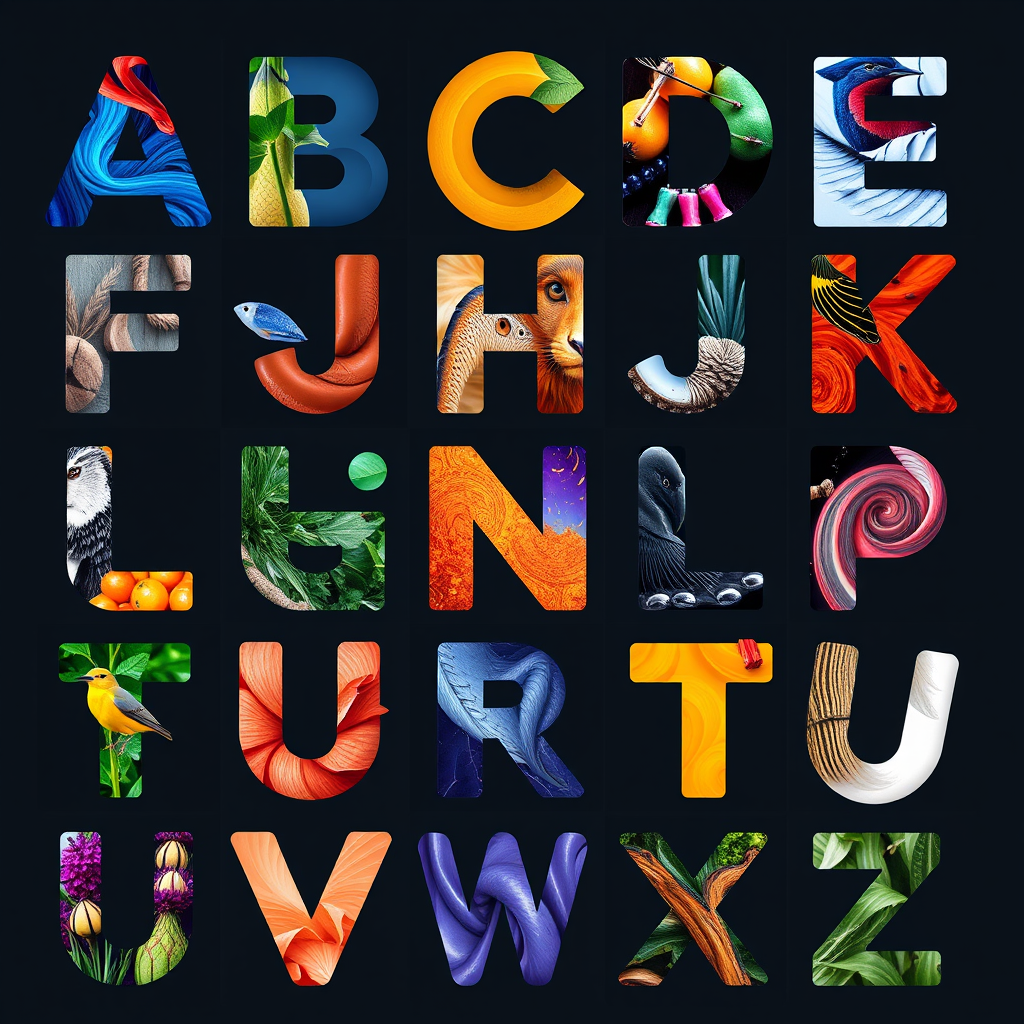
https://free.theresanaiforthat.com/private/@ellustar/alphabet-generator