What is a Realistic Image Generator?
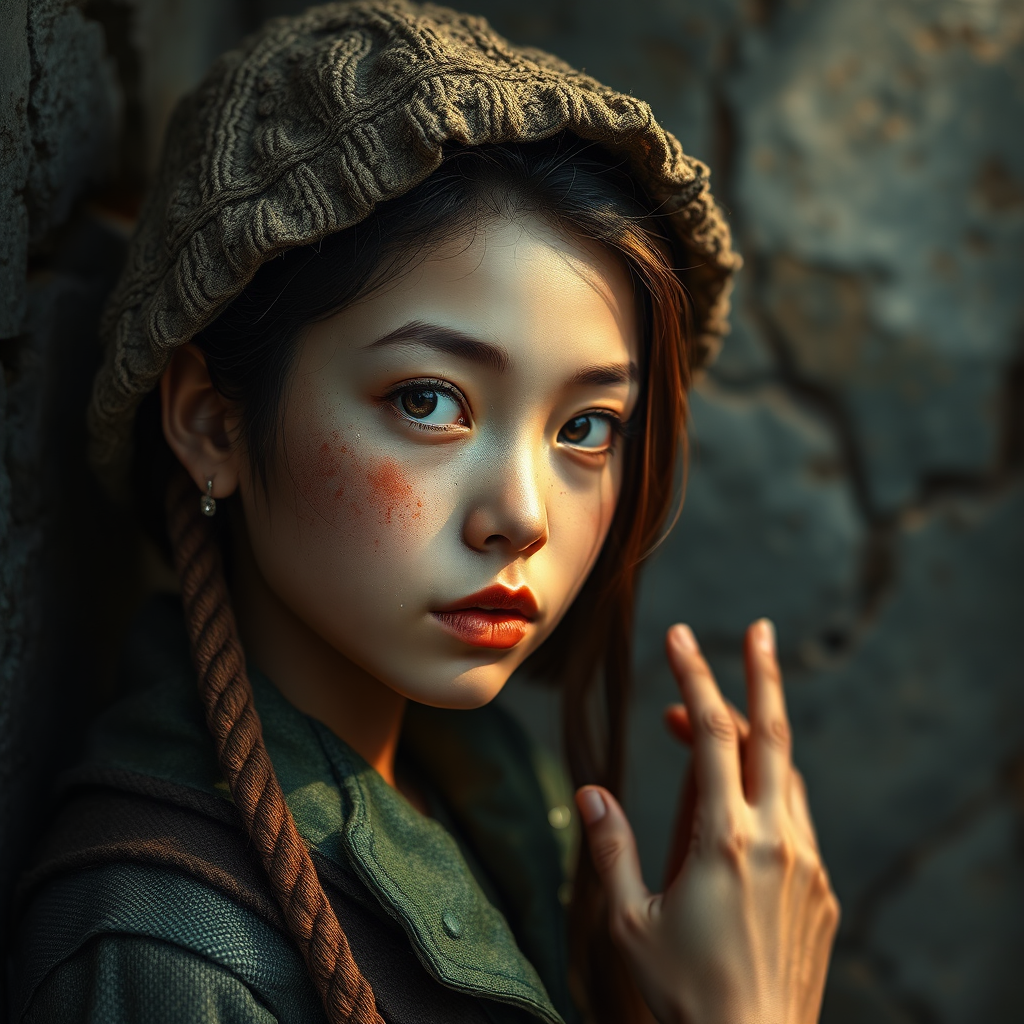
A realistic image generator is an innovative technology that leverages advanced algorithms and artificial intelligence to produce images that closely resemble real-world visuals. These generators use various techniques, notably neural networks, to analyze and synthesize elements of images in a way that mimics human creativity and perception. Realistic image generators can create detailed landscapes, lifelike portraits, and more, often indistinguishable from photographs.
The primary type of realistic image generator is based on Generative Adversarial Networks (GANs). In essence, GANs consist of two primary components: a generator and a discriminator. The generator creates images by transforming random noise into coherent visual outputs, while the discriminator evaluates these images against real samples, guiding the generator to improve over time. This adversarial process significantly enhances the realism of generated images.
Historically, image generation relied heavily on manual artistic techniques, limiting the scope of creativity and often influenced by an artist’s skill and style. The advent of AI technologies, particularly machine learning and neural networks, has transformed this landscape. Unlike traditional methods, realistic image generators can learn from vast datasets, capturing intricate details and nuances that often escape human perception. This capability enables more varied and complex outputs, allowing for unprecedented levels of creativity.
Furthermore, realistic image generators can be categorized based on various factors, including the complexity of the neural network architecture, the training methods used, and the intended application, whether in art, advertising, or video game design. Their ability to adapt and learn continuously makes them a powerful tool in the realm of visual creativity, setting them apart from conventional image creation methods.
Applications of Realistic Image Generators
Realistic image generators have ushered in transformative advancements across various sectors, driving innovation and creativity. In the field of art, artists are increasingly incorporating these tools into their creative processes. By utilizing technology to generate intricate images, creators can explore endless possibilities and produce artworks that blend human creativity with machine intelligence. For instance, renowned artists have collaborated with AI systems to develop unique art pieces that challenge traditional notions of authorship.
The gaming industry also greatly benefits from realistic image generators, as they facilitate the development of immersive virtual worlds. Gamers can experience visually stunning environments and characters thanks to the capability of these tools to generate high-fidelity imagery quickly. Companies like Epic Games have harnessed realistic image generators to improve graphics in their renowned games, ensuring a more engaging experience for players.
In the realm of virtual reality (VR), realistic image generators play a crucial role in creating lifelike simulations. By generating realistic landscapes and environments, they enhance the overall user experience. This application is particularly significant in fields such as education and training where realistic VR experiences can simulate real-world scenarios, improving learning outcomes and operational efficiency.
Marketing is another area where these technologies have made an indelible mark. Brands leverage realistic image generators to create captivating advertisements that resonate with their target audiences. These tools allow marketers to produce visually appealing content swiftly, catering to the fast-paced nature of contemporary marketing strategies. For example, companies like Advertica use realistic image generators to design engaging visual campaigns that elevate brand recognition and drive customer engagement.
As industries continue to explore the potential of realistic image generators, their applications are likely to grow, leading to even more innovative uses across art, gaming, virtual reality, marketing, and beyond.
Benefits and Challenges of Using Realistic Image Generators
The advent of realistic image generators has ushered in a new era of visual creativity, providing multiple advantages to artists, designers, and businesses alike. One of the primary benefits is enhanced creativity. By leveraging advanced algorithms and vast datasets, these generators enable users to create unique and captivating images that may be difficult to produce manually. This creative freedom not only stimulates artistic expression but also inspires new avenues of exploration within various artistic disciplines.
Time efficiency is another significant advantage associated with realistic image generators. Designers and content creators can quickly generate high-quality visual content in a fraction of the time it would typically take to conceptualize and construct images from scratch. This capability is particularly beneficial in a fast-paced digital landscape where timely delivery is crucial for market competitiveness.
Moreover, realistic image generators present a cost-effective alternative to traditional image creation methods. By reducing the need for extensive manpower, these tools help companies decrease their overhead costs while still producing visually appealing content. As a result, businesses are increasingly adopting these technologies to fulfill their visual needs without compromising quality.
Despite these benefits, the implementation of realistic image generators does not come without challenges. Ethical concerns are a prominent issue, particularly regarding the use of generated images in ways that may mislead audiences or misrepresent subjects. Furthermore, copyright implications arise when using generated images, as the ownership and originality of such works can raise legal questions.
Lastly, there is a risk of producing misinformation or harmful content, which can perpetuate stereotypes or incite negative sentiments among viewers. As the technology continues to evolve, addressing these challenges will be essential to ensure that the full potential of realistic image generators is harnessed responsibly.
The Future of Realistic Image Generators
The landscape of visual creativity is set to undergo profound transformations with the evolution of realistic image generators. As artificial intelligence (AI) continues to advance, we can anticipate the development of more sophisticated algorithms capable of producing increasingly lifelike imagery. These advancements may enable creators to push the boundaries of their imagination, producing visuals that were previously considered impossible.
One of the critical areas to watch is the enhancement of generative adversarial networks (GANs), which are pivotal in developing realistic images. Future iterations are expected to refine their capabilities to include not only higher fidelity images but also contextual understanding and emotional depth. This could result in realistic images that resonate on a deeper level with viewers, bridging the gap between artificial intelligence and human emotion.
Societal impacts also loom large as realistic image generation technology becomes pervasive. Ethical considerations will undoubtedly arise, focusing on issues such as deepfakes and misinformation. As society grapples with these challenges, regulatory frameworks may need to be established to ensure responsible use of such technology. This could lead to a landscape where users must navigate the complexities of authenticity versus artifice in visual content.
User acceptance of realistic image generators is another crucial factor. As familiarity with these tools increases, the distinction between human-made visuals and AI-created imagery may blur, leading to broader acceptance in creative industries. Artists, designers, and marketers might increasingly leverage these technologies to enhance their work, enabling new forms of storytelling and expression that harness the strengths of both human creativity and machine efficiency.
Looking forward, realistic image generators could revolutionize various sectors, from entertainment to advertising, offering innovative solutions in content creation. As they evolve, the possibilities for integrating these technologies into everyday creativity will be virtually limitless, heralding a new era in visual arts.
https://theresanaiforthat.com/@ellustar/realistic-image-generator