Introduction to Digital Art
Digital art is a contemporary artistic discipline that encompasses creative works created or modified using digital technology. This form of art uses digital tools as essential components in the artistic process. Defined broadly, digital art can manifest in numerous formats, including digital paintings, 3D models, animation, and interactive art installations, each offering unique opportunities for expression and innovation.
The history of digital art traces back to the 1950s and 60s, when pioneering artists began experimenting with computers and electronic equipment to create visual art. These early explorations laid the groundwork for what would later evolve into a fully-fledged artistic movement. As technology advanced, digital art tools became more accessible, allowing a growing number of artists to explore this new medium. The rise of personal computing in the 1980s was a turning point that spurred the development of software specifically designed for artistic creation, transforming how artists produced and shared their work.
Over the years, digital art has continued to evolve remarkably, with significant advancements in software and hardware. Artists now have access to sophisticated tools that allow for intricate details and lifelike textures previously unattainable with traditional methods. Digital painting, where artists simulate traditional painting techniques using tablets and software, and 3D modeling, which creates three-dimensional representations of objects, are now commonplace practices in various industries, including gaming, film, and graphic design.
Furthermore, animation represents another vital aspect of digital art, enabling creators to bring static images to life through motion. This interplay between technology and creativity is reshaping artistic expression, making digital art a critical component of contemporary culture. The expansion of digital platforms also allows artists to engage with a global audience, further enhancing the impact of this innovative art form.
Types of Digital Art Tools
Digital art tools have undergone significant evolution, offering a wide range of options for artists and designers alike. These tools can largely be classified into two categories: hardware and software. Understanding these categories is essential for anyone looking to create or enhance their digital art portfolio.
Starting with hardware, graphic tablets are perhaps the most well-known tools among digital artists. Brands such as Wacom and Huion provide tablets that allow for precise control over brush strokes and detail work. These devices come with pressure-sensitive styluses, enabling artists to replicate the feel of traditional drawing techniques. Additionally, some tablets come with built-in displays, which provide a more natural drawing experience, as artists can draw directly on the screen. Such tools are particularly popular among illustrators and concept artists who require high fidelity and responsiveness in their work.
Beyond graphic tablets, there are other hardware tools such as 3D printers and virtual reality headsets, which have carved a niche in the realm of digital art. 3D printers allow artists to bring their digital creations into the physical world, transforming designs into tangible objects. Meanwhile, virtual reality headsets open up new dimensions for artistic expression, enabling users to create immersive environments and experiences.
On the software side, digital art applications have proliferated, catering to various artistic preferences and workflows. Programs like Adobe Photoshop and Corel Painter are staples for many professionals, offering robust features for photo editing and digital painting. Alternatively, software like Procreate has gained popularity among hobbyists and mobile artists, thanks to its user-friendly interface and versatile toolset. Each of these applications serves distinct needs, whether it be for detailed illustrations, graphic design, or animation.
In conclusion, the landscape of digital art tools is diverse and ever-evolving, providing artists with the necessary means to express their creativity. By selecting the right combination of hardware and software, individuals can effectively elevate their digital art practice to new heights.
Popular Software for Digital Artists
In the ever-evolving landscape of digital art, several software programs have emerged as favorites among artists. Each tool offers specific features, allowing users to tailor their workflows to their artistic needs. Below is a closer look at some of the most widely used software for digital art creation.
Adobe Photoshop is arguably the most recognizable name in digital art software. Renowned for its versatility and advanced features, Photoshop is an essential tool for concept artists, illustrators, and graphic designers alike. It offers an extensive array of brushes, layer options, and powerful editing capabilities. However, its complexity can be daunting for beginners, and its subscription-based pricing may be less appealing for casual users.
Corel Painter, on the other hand, is designed with traditional artists in mind, mimicking the experience of painting with real media. Its realistic brush simulation and extensive customization options make it ideal for those who prefer a hands-on approach to digital painting. Nonetheless, it can require a steep learning curve for new users, and some artists may find its interface less intuitive compared to others.
For those looking for a more mobile-friendly solution, Procreate stands out as a favorite among digital illustrators. This app is exclusive to iPad and leverages the device’s touchscreen capabilities to deliver a seamless drawing experience. Procreate is celebrated for its user-friendly interface and affordable one-time purchase model. However, its functionality is somewhat limited when compared to desktop alternatives, and it may not suit all professional art needs.
Lastly, Blender plays a vital role in blending the domains of digital art and 3D modeling. As an open-source software, it provides a comprehensive suite for artists aspiring to create animations, models, and simulations. While its features are powerful, newcomers may find the learning process intensive, given the multitude of functionalities available.
Ultimately, selecting the right software for digital art hinges on the user’s specific needs and preferences. Each of these tools brings unique strengths and challenges, assisting artists in exploring the vast possibilities of digital creativity.
The Role of Hardware in Digital Art Creation
The hardware utilized in digital art creation plays a pivotal role in shaping the artistic experience, facilitating a more dynamic and responsive interaction between the artist and their medium. Graphic tablets, for instance, have revolutionized the way artists engage with digital platforms. Brands like Wacom offer a variety of models tailored to both amateurs and professionals, featuring pressure sensitivity levels that mimic traditional brushes, thus enhancing the precision and variability of lines.
Moreover, specifications such as resolution and response time are crucial in determining the quality of the digital drawing experience. Higher resolution displays can reproduce colors more vividly and allow for finer detail, making them essential tools for digital artists. Meanwhile, advanced graphics cards and processors in computers significantly boost rendering speed, transforming creativity from a slow grind into a fluid expression of artistic vision.
The integration of hardware with software is also fundamental for digital art. Programs like Adobe Photoshop or Corel Painter require specific hardware capabilities to perform optimally. For instance, a dedicated graphics card not only enhances the performance of these applications but also unlocks features geared towards complex digital painting and illustration tasks. As technology advances, these tools are becoming more sophisticated, allowing for easier integration of augmented reality and 3D modeling.
In addition to graphic tablets and powerful computers, other peripherals such as styluses are also gaining importance. A high-quality stylus can provide the subtlety and responsiveness an artist needs to create detailed work. Brands are continually innovating to create tools that better replicate the feel of traditional mediums, bridging the gap between physical and digital art. Thus, the ongoing improvement in hardware design and capability directly influences the evolution of digital art practice.
Techniques and Best Practices for Digital Art
The advent of digital art has transformed the creative landscape, equipping artists with unparalleled tools and techniques that enhance artistic expression. Among the myriad techniques employed in digital art, layering stands out as a fundamental method. By utilizing layers, artists can separate different elements of their artwork, allowing for greater flexibility in editing and adjustments without compromising the overall composition. This technique not only aids in the organization of complex designs but also fosters experimentation by enabling artists to manipulate individual components seamlessly.
Blending techniques are another vital aspect of digital artistry. These methods, which mimic traditional mediums, facilitate the smooth transition between colors and textures, creating a more dynamic visual experience. With the extensive range of blending modes available in most digital software, artists can experiment with varying effects to achieve the desired outcome, whether it be a soft gradient or a stark contrast. Leveraging these blending techniques can significantly enhance the overall depth and professionalism of a digital piece.
Furthermore, the choice of brushes plays an essential role in digital art creation. Most digital painting software offers customizable brushes that can mimic traditional tools such as pencils, oils, or watercolors. Artists should explore different brush settings, including opacity, flow, and texture, to find those that best suit their unique style. This customization not only aids in achieving distinctive effects but also enhances the artist’s efficiency during the creative process.
To maintain artistic consistency throughout various projects, it is crucial to establish a structured workflow. Organizing files methodically, maintaining a consistent color palette, and developing templates can vastly improve an artist’s productivity. Adhering to these best practices enables artists to focus on their creativity, ensuring that their digital art pieces resonate with their intended style and vision.
The Community and Culture of Digital Artists
The digital art community has experienced a significant transformation over recent years owing to the rapid evolution of technology and the Internet. With the advent of online platforms, social media, and forums, artists are now more connected than ever, creating a vibrant and diverse ecosystem for collaboration and creativity. These platforms serve as a catalyst for communication, allowing artists from all corners of the globe to share their work, seek feedback, and engage in meaningful discussions about their craft.
Online platforms, such as DeviantArt, ArtStation, and Behance, function as virtual galleries where artists can showcase their portfolios and gather inspiration from fellow creatives. These communities encourage users to provide constructive critiques, fostering an environment where continuous improvement is emphasized. The culture of sharing revolves around the principle that artists can learn from one another; this exchange of ideas not only refines individual techniques but also stimulates innovation within the digital art sphere.
Social media platforms play a pivotal role in amplifying the voices and works of digital artists. Networks like Instagram and Twitter have become essential tools for artists to build their personal brands, promote their work, and connect with fans. Hashtags, challenges, and collaborative projects encourage participation and elevate visibility, creating an inclusive atmosphere that values every member’s contribution. Moreover, these networks can inspire a sense of community, allowing artists to celebrate each other’s successes and milestones.
Furthermore, digital art forums facilitate deeper discussions about themes, techniques, and industry trends. This exchange often leads to collaborative projects, where artists come together to create joint works or organize events such as online exhibitions. The collective spirit nurtured within these forums enhances creativity and transforms the art-making process into a shared journey, illustrating the profound impact of community in the digital art realm.
Challenges Faced by Digital Artists
Digital artists navigate a myriad of challenges that can hinder their creative process and overall productivity. One prominent issue is the steep learning curve often associated with advanced software tools. Many digital art programs offer extensive features that, while beneficial, can be overwhelming for beginners. Tutorials and online courses are invaluable resources for new artists, facilitating their understanding of essential functions and enhancing their skill set. Engaging with community forums and online groups can also serve to provide support and encouragement as one learns to maneuver through complex software interfaces.
Another significant challenge is hardware limitations. Artists require powerful computers or tablets to run high-performance graphic design applications smoothly. Performance issues can arise when the hardware is subpar, resulting in lagging responses and potential loss of creative momentum. To mitigate this issue, artists should evaluate their hardware needs in relation to the software demands, ensuring their equipment is capable of supporting their artistic endeavors. Investing in hardware updates or exploring financing options for professional-grade tools can be beneficial for serious digital artists.
Additionally, maintaining artistic integrity in a digital landscape poses its own set of obstacles. As digital art becomes increasingly prevalent, some artists grapple with the fear of losing their unique style or being influenced by trending aesthetics. It is essential for digital artists to embrace their individuality and cultivate their voice amidst this evolving art scene. Participating in workshops and collaborative projects can foster a sense of community and inspire artists to remain true to their vision. By addressing these challenges proactively, digital artists can not only enhance their craft but also thrive in a competitive artistic environment.
The Future of Digital Art Tools
The landscape of digital art tools is on the cusp of transformation, driven by rapid advancements in technology. As we look forward, several emerging trends are expected to significantly influence the creative process and the next generation of artists. One of the most promising developments in this domain is the integration of virtual reality (VR). This immersive technology allows artists to create and interact with their work in three-dimensional spaces, providing a unique canvas that transcends traditional digital mediums. The tactile experience of working in VR not only expands the possibilities for artistic expression but also enhances viewer engagement with the artwork itself.
Another area to watch is the advent of artificial intelligence (AI) in digital art creation. AI-powered tools can assist artists by generating ideas, automating repetitive tasks, or even producing complete artworks based on initial prompts. This capability offers a collaborative experience where artists can leverage AI to push their creative boundaries, experiment with new styles, and refine their techniques. The implications of AI in art raise interesting questions about authorship and originality, prompting a re-evaluation of what constitutes creativity in the digital age.
Furthermore, the increasing popularity of mobile art applications signifies a shift towards accessibility in digital art creation. As smartphones and tablets become more powerful, artists can carry their creative tools wherever they go, enabling spontaneous creation. These applications often feature intuitive interfaces, allowing users of all skill levels to explore their artistic potential. As mobile technology continues to advance, we can anticipate more sophisticated tools that further democratize the creative process, empowering a broader range of individuals to express themselves through art.
In light of these advancements, the future of digital art tools appears to be not only technologically rich but also deeply collaborative, offering artists innovative methods to engage with their craft. The intersection of VR, AI, and mobile applications is likely to redefine the artist’s toolkit, shaping both the creation and consumption of digital art in unprecedented ways.
Conclusion and Final Thoughts
In examining the evolution and impact of digital art tools, it becomes evident that these instruments have fundamentally transformed the landscape of artistic expression. From their inception, digital platforms have offered artists unprecedented opportunities to create, collaborate, and share their work with a global audience. The transition from traditional mediums to digital formats has not only expanded the range of techniques available but has also democratized art creation, making it accessible to a wider demographic.
Throughout the blog post, we have highlighted key technological advancements such as graphic tablets, software applications, and online communities that have reshaped the creative process. These tools have enabled artists to innovate continuously, pushing the boundaries of what is possible in visual storytelling. The integration of digital art tools into daily practice encourages experimentation, allowing artists to explore new styles and techniques without the constraints typically associated with traditional art forms.
Moreover, the role of digital art tools in fostering community and collaboration cannot be overlooked. Artists can now share their work instantaneously, receiving feedback and engaging with fans and peers in real-time. This interconnectivity nurtures a dynamic environment where artists inspire one another, promoting a collective growth in creativity. The impact of these tools extends beyond individual expression, influencing cultural narratives and diversifying the art world.
As we explore the modern art landscape shaped by technology, it is crucial for emerging artists to embrace these tools and harness their potential. By experimenting with various digital art applications, creators can discover new dimensions to their work, broadening their horizons and unlocking untapped creativity. The intersection of technology and artistry promises a future where imagination knows no bounds, and each artist can find their unique voice in the expansive digital canvas.

https://theresanaiforthat.com/@ellustar/digital-art-tool
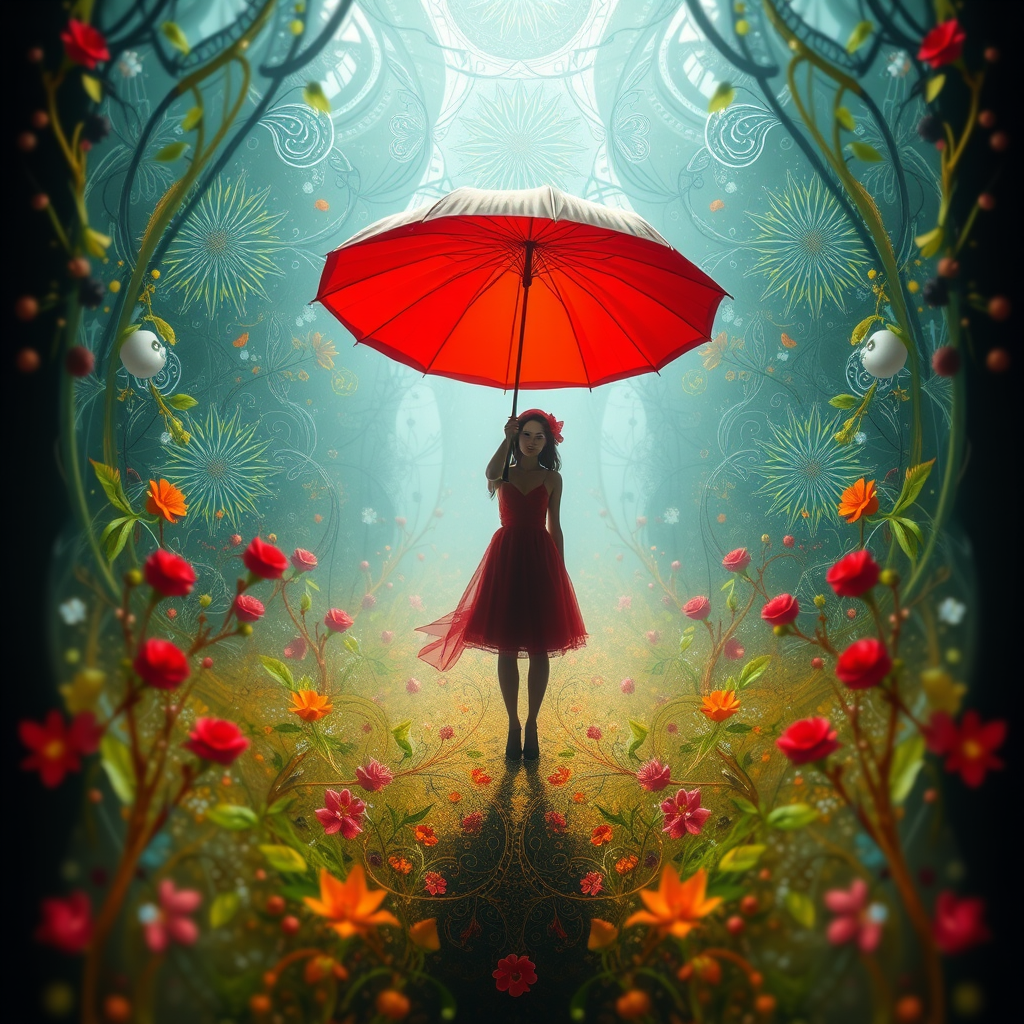
A girl with umberlla #ellustardigital
https://theresanaiforthat.com/@ellustar/digital-art-tool/g/9874508