
Introduction to Digital Marketing Automation
Digital marketing automation refers to the use of software platforms and technologies to streamline, manage, and measure marketing processes and campaigns. This approach enables marketers to optimize their efforts, improve efficiency, and drive customer engagement across various channels. By leveraging automation, businesses can achieve their marketing goals more effectively while saving valuable time and resources.
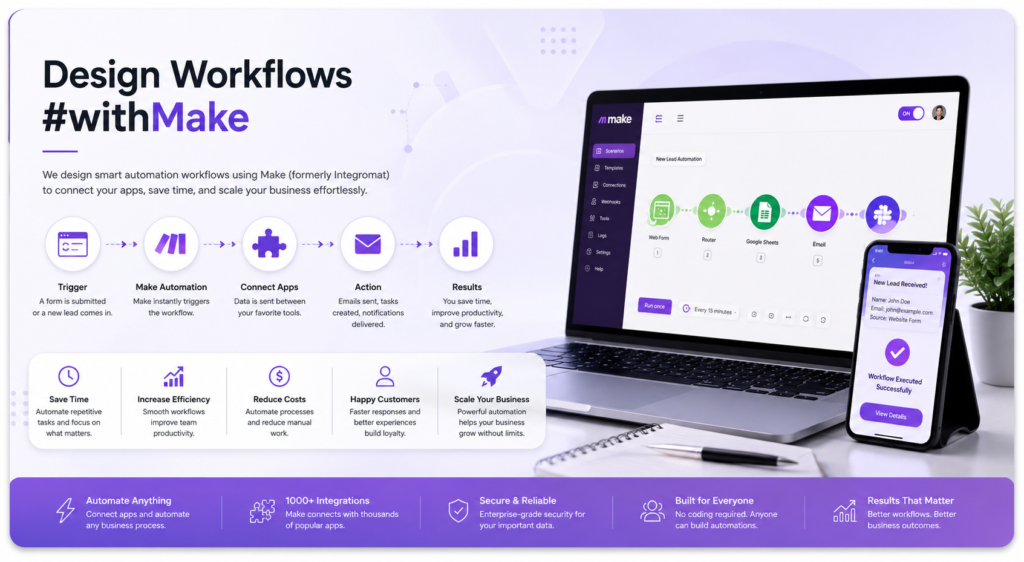
In today’s fast-paced marketing landscape, the importance of digital marketing automation cannot be overstated. With vast amounts of data generated daily, marketers face the challenge of making sense of this information and responding to customer needs promptly. Automation tools allow marketers to analyze data, segment audiences, and tailor outreach efforts based on individual preferences, facilitating a more personalized experience for consumers.
The core principles of digital marketing automation revolve around enhancing customer relationships and generating leads efficiently. Automation can manage repetitive tasks such as email marketing, social media posting, and ad campaign monitoring, allowing marketers to focus on strategic initiatives and creative pursuits. By automating these tasks, organizations can reduce human error, ensure consistency in messaging, and ultimately strengthen their brand identity.
Moreover, digital marketing automation helps in measuring campaign performance. Advanced reporting features available in many automation tools provide insights into user behavior, allowing marketers to make data-driven decisions. By understanding which strategies resonate with their target audience, businesses can refine their marketing efforts to maximize reach and efficiency.
In summary, digital marketing automation is a vital component of successful marketing strategies today. By adopting automation tools, businesses can save time, increase productivity, and enhance engagement with their customers, ensuring they stay competitive in a rapidly evolving marketplace.
The Benefits of Digital Marketing Automation
Digital marketing automation is becoming increasingly essential for businesses looking to enhance their marketing strategies. One of the primary benefits of implementing automation is the streamlining of marketing processes. Automation tools simplify repetitive tasks, such as email marketing, social media posting, and lead nurturing, enabling marketers to focus on more strategic activities. This efficient management of time and resources can lead to improved operational efficiency.
Another significant advantage of digital marketing automation is enhanced targeting. Automation platforms often provide robust segmentation and targeting capabilities, allowing businesses to send personalized messages to specific audience segments. This level of targeting is crucial, as personalized campaigns are shown to yield higher engagement rates compared to generic messages. By delivering content that resonates with the audience, businesses can create stronger connections and increase customer loyalty.
Furthermore, automation can substantially improve conversion rates. By leveraging data-driven insights, marketers can design and execute tailored lead nurturing strategies that address the unique needs of potential customers. Automated systems can track user behavior, facilitating timely follow-ups and allowing businesses to capture leads at the right moment. Additionally, automated A/B testing provides marketers with the dynamic capabilities needed to refine campaigns based on real-time performance data, further optimizing conversion paths.
Digital marketing automation also enhances analytics and reporting, providing comprehensive insights into campaign performance. Automated analytics tools can measure key performance indicators in real-time, allowing marketers to assess the effectiveness of their strategies quickly. This data is vital for making informed decisions and adjusting efforts for better outcomes. Overall, the benefits of digital marketing automation not only support improved processes and results but also foster a more personalized marketing approach that resonates with today’s consumers.
Key Components of Digital Marketing Automation
Digital marketing automation encompasses a variety of components that work together to create a streamlined and efficient marketing process. Among these, email marketing automation is one of the most crucial elements. This system enables businesses to send personalized and timely emails to their audience based on their interactions and behaviors. By automating this process, companies can enhance their outreach and engagement efforts while saving time and resources.
Another important component is social media automation. This aspect allows marketers to schedule posts in advance, monitor engagement, and analyze performance across different platforms. By utilizing social media automation tools, businesses can maintain a consistent online presence, reach their target audience more effectively, and gather valuable insights into customer preferences.
Customer relationship management (CRM) systems play a vital role in digital marketing automation as well. A CRM system helps organizations manage customer data, track interactions, and analyze customer behavior over time. By integrating a CRM with marketing automation tools, businesses can personalize their marketing strategies, enhance customer engagement, and improve overall satisfaction.
Analytics is another key component that provides marketers with valuable data to measure the success of their automation efforts. By employing advanced analytics tools, organizations can track key performance indicators (KPIs), glean insights into customer behavior, and make informed decisions based on data-driven analysis. This aspect facilitates continuous improvement of marketing strategies, ensuring that campaigns are both effective and relevant.
Finally, lead generation tools are essential for identifying and nurturing potential customers. These tools assist businesses in capturing leads through various channels and automating follow-up processes to optimize conversions. Leveraging effective lead generation strategies is crucial for any digital marketing automation plan, as it ultimately drives growth and revenue.
Popular Digital Marketing Automation Tools
Digital marketing automation tools have become essential for businesses looking to streamline their marketing efforts and improve overall efficiency. Numerous platforms are available, each equipped with unique features catering to varying business needs.
HubSpot is one of the most well-known marketing automation platforms, offering a comprehensive suite of tools that includes email marketing, social media management, and customer relationship management (CRM). HubSpot is particularly suitable for small to medium-sized businesses due to its user-friendly interface and robust support resources. The pricing model follows a tiered structure, starting with a free version that allows businesses to manage their marketing efforts effectively.
Marketo, on the other hand, is tailored more towards medium and large enterprises seeking to leverage advanced marketing automation functionalities. It provides tools for lead management, multi-channel marketing, and campaign analytics. Marketo’s pricing can be on the higher side, but its extensive features make it a powerful choice for businesses that require in-depth capabilities and data analysis.
Mailchimp offers a versatile email marketing automation solution, popular among startups and small businesses due to its scalable pricing plans and ease of use. It boasts an intuitive drag-and-drop email builder, audience segmentation features, and integration with numerous other platforms, making it a favorable option for businesses looking to maximize their email marketing potential.
Lastly, Hootsuite is recognized for its social media marketing automation capabilities. It allows users to manage multiple social media accounts from a single dashboard, schedule posts, and analyze performance metrics. Hootsuite is particularly suitable for businesses focused on enhancing their social media presence efficiently.
In conclusion, selecting the right digital marketing automation tool depends on the specific needs and budget of the business, as well as the level of expertise of its users. By understanding the features and strengths of each tool, businesses can make well-informed decisions to elevate their marketing strategies.
Choosing the Right Digital Marketing Automation Tool
In today’s fast-paced digital landscape, selecting an appropriate digital marketing automation tool is crucial for businesses aiming to improve efficiency and optimize their marketing efforts. When deciding on a tool, several factors must be taken into account to ensure it aligns with your specific requirements.
First and foremost, consider your budget. Digital marketing automation tools vary significantly in price, and it is imperative to evaluate what features are most essential for your business before making a financial commitment. While some platforms offer comprehensive capabilities, they might exceed the needs of a smaller business.
Next, assess your business size and industry. Some tools cater better to small businesses, while others are designed for larger enterprises with complex marketing strategies. Choose a platform that can accommodate your current needs while also allowing for growth as your business expands. Scalability is an essential aspect to consider, ensuring the software can adapt as your marketing requirements evolve.
Your marketing goals should also guide your choice. Different tools offer various functionalities, such as social media management, email marketing, and analytics. Identify which capabilities will be most beneficial to your objectives, whether it be enhancing lead generation, improving customer engagement, or streamlining campaign management.
Ease of use is another critical element. Opt for a tool with a user-friendly interface that your team can navigate without extensive training. This facilitates a quicker implementation process and ensures that the staff can make the most of the software from the outset.
Before making a final decision, consider testing different tools through free trials or demos. This hands-on approach allows you to compare functionalities and efficiency, giving you a clearer picture of which solution best meets your business’s needs.
Creating Your Digital Marketing Automation Strategy
Setting up a successful digital marketing automation strategy requires careful planning and a structured approach. The first step is defining your goals. Clearly outlining what you hope to achieve with automation—be it lead generation, customer engagement, or increased sales—will provide direction for your strategy. Remember to ensure your objectives are measurable, allowing you to track progress and effectiveness over time.
Next, it is essential to understand your target audience. Conduct comprehensive market research to identify their preferences, behaviors, and pain points. This insight will enable you to craft personalized messages and campaigns, making your automation efforts more relevant and effective. Consider creating buyer personas that represent your ideal customers, as this can guide content creation and marketing tactics.
With defined goals and a clear understanding of your audience, you can begin designing the customer journey. Mapping out each stage of this journey—from awareness to consideration and conversion—will help you identify touchpoints where automation can enhance the customer experience. Consider utilizing various marketing channels, such as email, social media, and your website, to create a cohesive narrative that guides potential customers seamlessly through the buying process.
Integration of tools is also a key component of a successful digital marketing automation strategy. Research and select automation platforms that align with your objectives and can integrate with your existing systems. Tools such as customer relationship management (CRM) software, email marketing platforms, and social media management applications can enhance your automation efforts and ensure that your marketing initiatives work harmoniously.
In conclusion, setting up a digital marketing automation strategy is a multi-faceted process that requires careful planning, understanding of your target audience, and integration of appropriate tools. By taking the time to lay a solid foundation, you can maximize the effectiveness of your marketing automation efforts, ultimately driving better results for your business.
Best Practices for Digital Marketing Automation
Implementing digital marketing automation effectively requires adherence to several best practices that can enhance the efficiency and effectiveness of marketing campaigns. One of the primary best practices is segmentation of audiences. By dividing the broader audience into smaller, more specific groups based on demographics, interests, and behaviors, marketers can craft tailored messages that resonate more deeply with each segment. This targeted approach not only boosts engagement rates but also increases conversion opportunities.
Personalizing content is another critical component of successful marketing automation. By using data gleaned from interactions with customers, businesses can customize their communications—whether they are emails, social media posts, or website content—to reflect the individual preferences and needs of their audience. Personalization fosters a sense of connection and can significantly enhance the customer experience, driving loyalty and higher retention rates.
Furthermore, testing and optimizing campaigns play a vital role in the automation process. Marketers should regularly conduct A/B tests on various elements such as subject lines, content formats, and call-to-action placements. Analyzing the results of these tests helps in identifying what resonates best with the audience, allowing for continuous improvements to campaign performance.
Compliance with legal regulations—such as GDPR and CAN-SPAM—cannot be overlooked. Marketers must ensure that their automated systems respect user privacy and adhere to consent requirements. This involves maintaining transparent practices regarding data collection and usage, which helps in building trust with the audience.
Lastly, an ongoing analysis of campaign performance is essential. By continuously monitoring key performance indicators (KPIs) such as open rates, click-through rates, and conversions, marketers can identify strengths and weaknesses in their automation strategies. This ongoing evaluation enables businesses to adapt and refine their tactics, ensuring their digital marketing efforts remain effective and relevant over time.
Common Challenges in Digital Marketing Automation and How to Overcome Them
Implementing digital marketing automation presents various potential challenges that can hinder the effectiveness of campaigns and overall organizational goals. One primary challenge is data integration. Organizations often have disparate data systems that do not communicate effectively with one another. This disconnection can result in inaccurate insights and a lack of comprehensive customer profiles. To overcome this, companies should invest in a robust customer relationship management (CRM) system that consolidates data across platforms, ensuring that all team members access and utilize uniform and up-to-date information.
Another significant hurdle is maintaining customer engagement. As automated marketing tools take over tasks traditionally handled by humans, there is a risk of losing the personal touch that builds customer relationships. To address this, marketers should employ personalization strategies, using collected data to tailor messages and content specifically to individual consumer preferences and behaviors. This approach ensures that, while automation handles repetitive tasks, customer interactions remain relevant and engaging.
The learning curve associated with new digital marketing tools can also pose challenges, especially for teams not well-versed in technology. Organizations must prioritize adequate training and resources to empower their teams to effectively use automation tools. Workshops, webinars, and ongoing support can significantly enhance user understanding and confidence in utilizing new technology.
Lastly, ensuring alignment between marketing and sales teams often presents a barrier to successful digital marketing automation implementation. Miscommunication can lead to misaligned objectives and conflict over leads. To bridge this gap, implementing regular collaboration sessions and integrated platforms that enable information-sharing can ensure that both teams work towards common goals, driving consistency in messaging and strategy.
The Future of Digital Marketing Automation
As businesses increasingly recognize the importance of digital marketing, the role of marketing automation continues to evolve. Advancements in technology, particularly in artificial intelligence (AI) and machine learning, are reshaping how marketers approach customer engagement and analytics.
AI integration is one of the most notable trends in digital marketing automation. AI-driven tools are enhancing personalization by analyzing customer behavior and preferences at an unprecedented scale. This enables brands to tailor their communications more effectively, ensuring that the right message reaches the right audience in real-time. Machine learning algorithms are continually improving, learning from campaign data to optimize performance and predict future trends.
Moreover, the rise of advanced customer data analytics is transforming data into actionable insights. Businesses are now utilizing robust analytical platforms to track and measure customer interactions across various channels. By leveraging big data analytics, companies can better understand customer journeys, target specific segments, and implement more precise strategies. This data-driven approach is crucial for refining marketing efforts and achieving a competitive edge in the market.
Emerging technologies, such as artificial intelligence chatbots, are also playing a significant role in enhancing customer service and engagement. These chatbots allow companies to interact with customers instantaneously, providing support and information around the clock. Furthermore, AI can facilitate the creation of predictive models, helping marketers anticipate customer needs and behaviors, thereby increasing conversion rates.
In conclusion, the future of digital marketing automation looks promising, with innovations in AI, machine learning, and customer data analytics paving the way for more effective marketing strategies. Businesses that embrace these advancements will likely experience improved customer engagement and growth in an increasingly digital landscape.