
Introduction to Workflow Automation
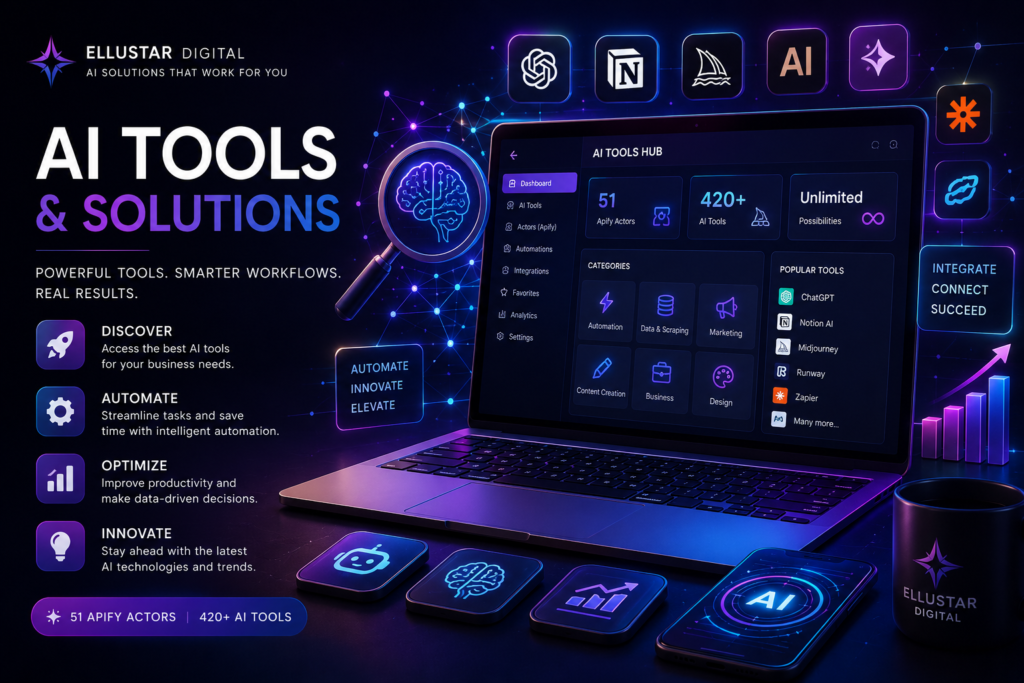
The importance of workflow automation for small businesses cannot be overstated. These organizations often operate with limited resources, making it essential to maximize efficiency and minimize redundancies. Implementing automated systems can alleviate the burden of monotonous tasks such as data entry, invoice processing, and inventory management. This shift not only reduces the potential for human error but also accelerates the completion of essential business operations.
Several technologies and tools are available today to help small businesses embrace workflow automation. Solutions range from customer relationship management (CRM) systems that automate client interactions to project management software that tracks task progress effortlessly. Additionally, specialized applications can help streamline communications, manage appointments, and even automate social media postings. By leveraging these resources, small businesses can create a more organized workflow that can lead to growth and scalability.
Moreover, workflow automation is adaptable; it can be customized to fit the unique processes of different businesses, allowing for a bespoke approach to efficiency. As enterprises increasingly become reliant on data-driven decision-making, workflow automation aids in collecting and processing this data efficiently, providing essential insights for effective management. In essence, embracing workflow automation equips small businesses with the tools necessary for success in a competitive market.
Improved Efficiency and Productivity
Workflow automation plays a crucial role in enhancing efficiency and productivity within small businesses. By automating routine and repetitive tasks, companies can significantly streamline their processes, allowing employees to allocate their time and energy towards more strategic initiatives. Tasks such as invoice processing and data entry are prime examples where automation can yield immediate benefits.
When invoice processing is automated, businesses can effectively reduce human error and speed up the approval process, thereby improving cash flow. Automation tools can quickly scan and extract necessary information from invoices, populate relevant fields in accounting software, and route them for approval—all without requiring manual input. This not only saves time but also enhances accuracy, as businesses can avoid the pitfalls associated with manual data entry.
Data entry, another labor-intensive task, can also be vastly improved through automation. Many small businesses spend a significant amount of their resources on entering, managing, and maintaining data. By utilizing automation solutions, companies can automate data capture from various sources, such as emails, web forms, and CSV files, leading to quicker access to information. Consequently, employees are able to focus on analyzing this data and deriving insights, rather than spending hours on mundane data entry tasks.
Furthermore, automating workflows helps in identifying bottlenecks and inefficiencies in processes. Businesses can employ analytics to monitor the performance of automated tasks, leading to informed decisions that optimize workflows for even greater efficiency. As a result, the overall productivity of the organization increases, with employees empowered to engage in higher-level work that drives growth.
In conclusion, the integration of workflow automation not only enhances efficiency but also fosters a work environment where employees can thrive by focusing on more impactful activities, making it an essential strategy for small businesses aiming to elevate their productivity levels.
Cost Savings and Resource Allocation
Workflow automation provides significant cost savings for small businesses by effectively reducing manual labor and minimizing errors that often lead to costly corrections. When routine tasks are automated, employees are freed from repetitive processes, allowing them to focus on higher-value activities. This shift not only enhances productivity but also optimizes labor costs, providing small businesses with the opportunity to allocate their human resources more efficiently.
One of the primary advantages of reducing manual tasks through automation is the decrease in operational expenses. Tasks that require extensive manual intervention can lead to inefficiencies and increased labor costs, as employees spend more time on these processes instead of strategic initiatives that drive growth. By implementing automation tools, businesses can streamline their operations, leading to reduced time spent on processes and, consequently, lower labor costs.
Moreover, workflow automation minimizes the likelihood of human errors, which can be particularly detrimental to a business’s financial health. Incorrect data entries or missed deadlines often require time-consuming and expensive corrections, ultimately impacting a company’s bottom line. By automating these processes, businesses can enhance accuracy, ensure that tasks are completed correctly and on time, and avoid the costs associated with rectifying mistakes.
In addition to immediate savings, the long-term financial benefits of implementing workflow automation are noteworthy. Initial investments in automation technology can yield substantial returns by enhancing efficiency and generating cost savings over time. As small businesses continue to grow, the ability to scale operations without a proportional increase in costs becomes a vital element of sustained success. Businesses can leverage cost savings from workflow automation to reinvest in their operations, exploring new opportunities for growth and innovation.
Enhanced Collaboration and Communication
Workflow automation significantly improves collaboration and communication among teams, serving as a catalyst for enhanced productivity and efficiency in small businesses. By implementing automation tools, teams can benefit from streamlined processes that facilitate open lines of communication and generate more transparency within project management.
Automated workflows reduce the chances of miscommunication by ensuring that all team members are on the same page regarding tasks and objectives. For instance, platforms that combine project management features with communication tools allow team members to interact seamlessly, share updates, and assign tasks efficiently. This tight integration leads to a centralized knowledge repository where vital information is readily accessible, mitigating the risk of lost or delayed communications.
Moreover, workflow automation decreases the time spent on repetitive tasks, enabling employees to focus on more strategic initiatives that require collaboration. Such tools foster a cooperative work environment, facilitating discussion and ideation that can lead to innovative solutions. When everyone has easy access to the necessary data and project status, teams can make informed decisions collectively, which enhances overall project outcomes.
Furthermore, advanced tools often provide features like shared dashboards and real-time updates, creating an environment where transparency is maintained consistently. Members can track progress actively, enabling proactive problem-solving if any discrepancies or delays occur. As a result, team dynamics improve, and a culture of accountability is nurtured, where every member takes ownership of their contributions.
In this context, workflow automation not only streamlines operations but also reinforces a cohesive work culture. When communication flows freely and collaboration is simplified, the overall morale and satisfaction of employees tend to increase, which plays a critical role in the long-term success of small businesses.