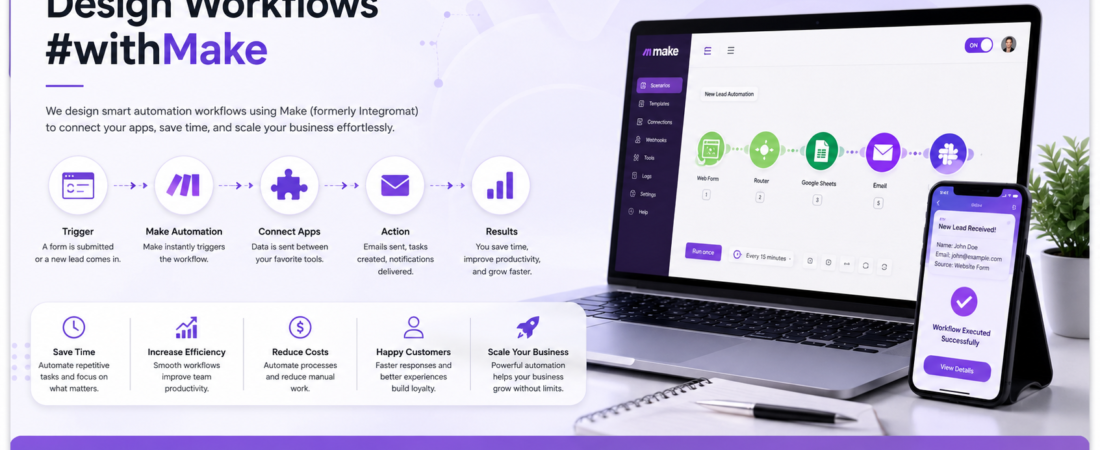
Introduction to AI Automation
AI automation refers to the use of artificial intelligence technologies to perform tasks and processes that would typically require human intervention. This innovative approach is reshaping how businesses operate, allowing for increased efficiency, reduced costs, and improved accuracy. As organizations strive to remain competitive in an ever-evolving landscape, understanding AI automation becomes crucial.
At its core, AI automation leverages technologies such as machine learning and natural language processing (NLP). Machine learning enables systems to learn from data inputs and improve their performance over time, allowing businesses to automate tasks ranging from data analysis to customer support. NLP, on the other hand, empowers machines to understand and interpret human language, facilitating automated communication between businesses and their customers.
The significance of AI automation in today’s business environment cannot be overstated. With the rapid advancement of technology, traditional business processes are often unable to keep pace. AI automation bridges this gap by streamlining operations, enhancing productivity, and allowing organizations to focus on strategic initiatives rather than mundane tasks. Companies can harness the power of AI automation to drive innovation, respond to market changes swiftly, and provide a better overall customer experience. This paradigm shift is indicative of a broader trend where businesses increasingly employ automation tools powered by AI to optimize efficiency and effectiveness.
In exploring AI automation, it is essential to recognize its multifaceted nature. From improving operational workflows to transforming customer interactions, its implications are far-reaching. As businesses embrace these technologies, they will not only evolve their internal processes but also reshape how they engage with clients and stakeholders, marking a pivotal moment in the digital transformation journey.
The Evolution of AI Automation
AI automation has evolved significantly from its early days, tracing back to the mid-20th century when the first computers emerged. Initial automation efforts focused on mechanical processes, streamlining production via programmed instructions. The rise of mainframe computers in the 1960s marked a pivotal moment, enhancing computational power and paving the way for more complex automation tasks.
In the 1970s and 1980s, the development of expert systems brought a new dimension to AI automation. These systems utilized a rule-based approach to mimic human decision-making. As industries began to adopt these technologies, organizations realized the potential of automating routine operations, thereby increasing efficiency and reducing human error.
The turn of the millennium ushered in substantial advancements with the advent of machine learning and neural networks. The growing availability of data and improved algorithms allowed AI systems to learn from experience. Noteworthy developments during this period included significant progress in natural language processing and image recognition, which opened new frontiers for automation across diverse sectors such as finance, healthcare, and manufacturing.
In the last decade, we have witnessed accelerated growth in AI automation. Enhanced computing power, combined with the integration of big data analytics, has allowed businesses to leverage automation for not only operational efficiency but also strategic decision-making. New paradigms such as robotic process automation (RPA) exemplify the modern landscape, where software robots execute repetitive tasks at unprecedented speeds. Furthermore, AI technologies like predictive analytics support proactive strategies in business development.
Today, AI automation represents an amalgamation of various technological advancements, continually reshaping industries by optimizing processes and enhancing productivity. As we look ahead, the evolution of AI automation will likely lead to even more transformative changes, challenging and inspiring organizations to adapt and innovate further.
Benefits of AI Automation in Business
AI automation presents numerous advantages that can substantially enhance business operations. One of the primary benefits is the improvement in efficiency. By automating routine tasks, organizations can reallocate human resources to more strategic roles, thereby increasing productivity. For example, companies like Amazon utilize AI-driven robots in their warehouses, which significantly reduces the time taken to locate and transport goods, leading to faster order fulfillment.
Cost savings are another significant aspect of AI automation. By minimizing manual workloads and potential errors, businesses can lower operational costs. A report from McKinsey suggests that automation could save businesses up to $2 trillion in labor costs annually across various industries. For instance, in the insurance sector, AI systems can automate claim assessments, allowing companies to process claims faster and with fewer personnel.
Enhanced decision-making capabilities are crucial in today’s fast-paced market, and AI automation contributes by analyzing vast amounts of data swiftly. Organizations can access insights that drive strategic planning and operational improvements. This capability has been particularly advantageous for companies like Netflix, which uses AI analytics to understand viewer preferences, optimizing content delivery and enhancing viewer engagement.
Moreover, AI automation leads to increased accuracy in data handling and decision-making processes. Machines are less prone to errors compared to their human counterparts, particularly in data-intensive activities. For instance, AI algorithms in pharmaceutical research have accelerated drug discovery processes by accurately predicting molecular interactions, which traditionally required extensive human labor.
Lastly, AI automation significantly enhances customer experiences. Chatbots and automated customer service tools offer instantaneous responses to inquiries, improving customer satisfaction and loyalty. Retailers such as H&M employ AI-powered chatbots that provide personalized shopping assistance, demonstrating how automation can streamline interactions, leading to improved consumer relationships.
Common Applications of AI Automation
AI automation has become an integral part of various industries, streamlining processes and enhancing efficiency. In manufacturing, for example, AI-driven robots are deployed to handle repetitive tasks such as assembly and quality inspection. These systems improve output consistency while reducing human error and operational costs. The use of predictive maintenance systems powered by AI allows manufacturers to foresee equipment failures before they occur, significantly minimizing downtime.
In the finance sector, AI automation is revolutionizing processes such as risk assessment, fraud detection, and customer service. With machine learning algorithms analyzing vast amounts of data, financial institutions can identify suspicious activities in real-time, thus enhancing security measures. Additionally, AI chatbots are being utilized to provide 24/7 customer support, resolving queries quicker and improving client satisfaction.
Healthcare is another sector where AI automation is making significant strides. Automated systems assist in administrative tasks such as scheduling and billing, allowing healthcare professionals to focus more on patient care. AI algorithms are also transforming diagnostics; for instance, image recognition technology is being employed to detect anomalies in medical images, aiding radiologists in making accurate diagnoses faster.
Customer service applications of AI automation include sentiment analysis tools that evaluate customer feedback on social media and review platforms. This technology enables businesses to gauge customer satisfaction and address issues proactively. Furthermore, AI systems are being adopted in e-commerce to personalize shopping experiences through tailored recommendations based on user behavior.
Through these diverse applications, AI automation showcases its versatility and potential to significantly enhance business operations across multiple industries. These advancements not only drive efficiency but also lead to improved service delivery and customer engagement.
Implementing AI Automation in Your Business
Integrating AI automation into your business operations can significantly enhance efficiency, productivity, and decision-making. However, successful implementation requires careful planning and execution. This process can be broken down into several key steps.
The first step involves identifying specific processes within your organization that are suitable for automation. Conducting a thorough analysis of current workflows and operations will help to uncover repetitive tasks that consume valuable time and resources. Look for processes characterized by high volume, predictable patterns, and minimal complexity. These may include data entry, customer support inquiries, and inventory management. Prioritizing these tasks enables businesses to maximize the impact of AI automation.
Once potential automation opportunities are pinpointed, the next step is to select the appropriate AI tools that align with your business needs. A variety of AI platforms and applications exist, each offering unique functionalities. It is essential to research and evaluate different options to find the best fit for your specific objectives. Key considerations include ease of integration with existing systems, scalability, user-friendliness, and the level of customer support provided by the vendors. Doing due diligence at this stage minimizes future challenges and promotes a smoother transition.
Preparing the workforce for AI adoption is another critical factor in implementing AI automation. Engaging employees early in the process and providing adequate training ensures they are equipped to work alongside AI tools. Establishing a culture of collaboration between humans and machines fosters acceptance and enhances productivity. Organizations should invest in skill development programs that familiarize staff with new technologies and promote adaptability to innovative methodologies.
By following these steps – identifying automatable processes, selecting the right AI tools, and preparing your workforce – businesses can effectively integrate AI automation into their operations, leading to enhanced efficiency and competitiveness in the market.
Challenges and Considerations
The incorporation of AI automation into business operations presents various challenges that organizations must consider. One of the primary concerns revolves around data privacy. With AI systems requiring extensive datasets to function effectively, businesses face the issue of ensuring that sensitive information is handled in compliance with data protection regulations. Companies must implement robust security measures to mitigate risks associated with data breaches, especially as regulations such as GDPR become more stringent.
Another significant challenge is workforce displacement. As AI technology automates repetitive tasks, there is a genuine concern regarding the potential loss of jobs. While AI can enhance productivity and efficiency, organizations must be prepared to support their workforce through this transformation. This could involve reskilling and upskilling employees, ensuring they can adapt to new roles that require human oversight or a more strategic focus, thus fostering a collaborative environment between AI systems and the human workforce.
Implementation costs also cannot be overlooked. Developing, testing, and deploying AI automation solutions can require substantial investments in technology and infrastructure. Small and medium-sized enterprises may find it particularly challenging to allocate budget resources for such initiatives. Therefore, it is crucial for businesses to perform a cost-benefit analysis to weigh the expected gains from AI automation against its initial and ongoing expenses.
Moreover, AI systems necessitate ongoing maintenance and updates to ensure optimal performance. As technology evolves, businesses need to stay abreast of advancements and continuously improve their AI systems to avoid obsolescence. This may require partnerships with technology providers or hiring specialized personnel, which further adds to the overall cost and resource allocation for AI implementation.
Future Trends in AI Automation
As we look towards the future of AI automation, several trends are emerging that are poised to reshape how businesses operate. One of the most significant advancements is the enhancement of machine learning technologies. These techniques empower systems to learn from data, allowing them to adapt and improve their performance over time. This iterative learning process not only increases efficiency but also enables organizations to make data-driven decisions with greater accuracy.
Another crucial trend is the integration of AI with Internet of Things (IoT) devices. As businesses adopt smart technologies, the synergy between AI and IoT will lead to more pervasive automation solutions. For instance, companies will be able to gather real-time data from IoT sensors, analyze it using AI algorithms, and optimize operations accordingly. This connectivity will result in improved decision-making and resource management, ultimately contributing to enhanced productivity.
Additionally, the necessity for businesses to adapt to evolving consumer expectations will drive the adoption of AI automation. With customers increasingly demanding personalized experiences, companies must leverage AI-driven analytics to tailor their offerings. Predictive analytics, powered by robust AI models, will allow organizations to anticipate market trends and respond proactively, ensuring customer satisfaction.
To prepare for these changes, organizations should prioritize investing in AI technologies and employee training. Fostering a culture that embraces AI automation will be crucial for navigating an ever-evolving digital landscape. Furthermore, businesses must remain flexible and agile, ready to pivot their strategies as new AI capabilities emerge.
In conclusion, AI automation is set to revolutionize business operations, bringing forth a future defined by enhanced efficiency, smarter decision-making, and unparalleled customer satisfaction. By understanding and preparing for these trends, organizations can position themselves at the forefront of this technological evolution.
Case Studies of Successful AI Automation
AI automation has garnered significant attention across various industries for its ability to optimize operations and enhance overall efficiency. One notable case study is that of Amazon, which has implemented AI to revolutionize its supply chain and warehouse management. The company employs advanced algorithms for inventory management and fulfillment processes, allowing it to predict demand accurately and ensure items are in stock. This automation has led to reduced operational costs and faster delivery times, thereby greatly improving customer satisfaction.
Another prominent example is Siemens, which integrated AI automation into its manufacturing processes. Facing challenges with production delays and quality control, Siemens utilized machine learning algorithms to analyze production data and proactively detect defects. This implementation decreased downtime and significantly enhanced product quality, showcasing how AI can address critical manufacturing issues while driving down costs.
Netflix also exemplifies successful AI automation in the realm of content delivery and viewer engagement. The company leverages AI algorithms to analyze viewer preferences and recommend tailored content. By applying machine learning to understand viewing patterns, Netflix has seen a noteworthy increase in user retention and engagement, demonstrating that AI automation can drive business success through personalized experiences.
Moreover, Bank of America introduced an AI-driven virtual assistant named Erica, which assists customers with banking inquiries and transactions. The integration of AI has streamlined customer service processes, reducing wait times and improving customer satisfaction. This initiative not only addressed operational challenges but also enhanced the overall client experience.
These case studies illustrate the multifaceted applications of AI automation across different sectors. The challenges faced vary, yet the solutions implemented highlight the potential of AI to transform business operations effectively. By harnessing the power of AI automation, organizations are able to achieve substantial operational improvements and competitive advantages in their respective markets.
Conclusion: Embracing AI Automation for Business Success
In today’s rapidly evolving business landscape, the integration of AI automation stands as a pivotal element that can drive efficiency and innovation. Throughout the discussion, we explored the fundamental definitions and concepts surrounding AI automation, underscoring its essential role in enhancing operational processes. Businesses across various industries are leveraging this technology not only to streamline tasks but also to ensure more consistent and intelligent decision-making.
The transformative potential of AI automation is evident in its ability to reduce human error and significantly decrease the time required for complex tasks. By automating routine procedures, organizations can allocate resources more effectively, thereby fostering an environment conducive to growth and innovation. Furthermore, the data generated from AI solutions enables businesses to gain strategic insights, ultimately leading to improved customer experiences and stronger competitive advantages.
As the implementation of AI automation continues to gain traction, it is important for organizations to evaluate their current processes and identify opportunities for optimization. This technology offers a unique chance to not only enhance productivity but also to enable businesses to pivot swiftly in response to market changes. Embracing AI is not merely a trend; it is essential for those seeking sustainable success in a digital economy.
In conclusion, the adoption of AI automation holds the key to future-proofing businesses against the challenges of an ever-changing marketplace. By considering how to effectively leverage this technology, companies can strengthen their operational frameworks and position themselves as leaders in their respective fields. Embracing AI automation is not just an option—it is a strategic imperative for businesses that aspire to thrive in the era of digital transformation.